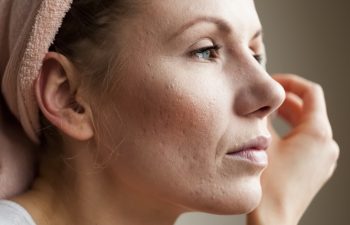
If you’re one of the estimated 16 million Americans living with rosacea, you know the frustration of unpredictable flare-ups that leave your skin red, irritated, and inflamed. One day your complexion looks relatively calm, and the next, you’re dealing with persistent redness, visible blood vessels, or acne-like bumps that seem to appear without warning. While rosacea remains a chronic condition without a cure, understanding your personal triggers represents one of the most powerful tools for managing symptoms and maintaining clearer, healthier-looking skin.
At Queen City Dermatology in Cincinnati, Dr. Kristine Zitelli has witnessed countless patients transform their rosacea management simply by identifying and avoiding their unique triggers. As a board-certified dermatologist recognized as a Cincinnati Magazine Top Doctor for ten consecutive years, Dr. Zitelli brings specialized expertise in inflammatory skin conditions combined with a compassionate, patient-centered approach that empowers individuals to take control of their rosacea.
The Nature of Rosacea: Why Triggers Matter
Rosacea is a chronic inflammatory skin condition that primarily affects the face, causing persistent redness, visible blood vessels, and in some cases, acne-like breakouts or thickening of facial skin. According to the National Rosacea Society, approximately 1 in 10 Americans experiences rosacea symptoms, yet many remain undiagnosed or don’t understand the role triggers play in their condition.
What makes rosacea particularly challenging is its episodic nature. Most patients experience periods of relative calm interrupted by flare-ups triggered by specific factors. These triggers cause blood vessels in the face to dilate, leading to the characteristic redness and inflammation. While triggers vary significantly from person to person, identifying your specific culprits allows you to minimize exposure and reduce flare-up frequency and severity.
The good news? Research shows that 96 percent of rosacea patients who identified and avoided their triggers reported reduced symptoms and improved quality of life. This statistic underscores why trigger identification should be a cornerstone of every rosacea management plan.
Common Rosacea Triggers to Watch
While each person’s rosacea responds to different factors, certain triggers appear consistently across patient populations. Understanding these common culprits provides a starting point for identifying your personal trigger list.
Environmental and weather-related triggers include:
- Sun Exposure: Ultraviolet radiation ranks as one of the most common triggers, with studies showing that 81 percent of rosacea patients report sun-induced flare-ups
- Hot Weather: High temperatures cause blood vessels to dilate, increasing facial redness
- Cold Weather and Wind: Harsh winter conditions irritate sensitive rosacea-prone skin
- Humidity Changes: Both excessive humidity and very dry air can trigger symptoms
- Indoor Heat: Overheated rooms, especially during winter months, frequently provoke flare-ups
Dietary triggers that commonly affect rosacea patients include:
- Alcohol: Red wine tops the list, but any alcoholic beverage can trigger symptoms in susceptible individuals
- Spicy Foods: Capsaicin in hot peppers and spicy dishes causes blood vessel dilation
- Hot Beverages: Coffee, tea, and hot chocolate can provoke flushing even without caffeine
- Histamine-Rich Foods: Aged cheeses, fermented products, and certain processed meats may worsen symptoms
- Chocolate and Vanilla: These surprisingly common triggers affect many rosacea patients
- Citrus Fruits: The acidity and compounds in citrus can irritate sensitive skin
Lifestyle factors that may trigger rosacea include:
- Exercise and Physical Exertion: While exercise benefits overall health, intense workouts raise body temperature and cause facial flushing
- Stress and Anxiety: Emotional stress ranks among the top triggers, with studies showing stress affects 79 percent of rosacea patients
- Hot Baths or Showers: Prolonged exposure to hot water dilates blood vessels and triggers redness
- Saunas and Steam Rooms: High heat and humidity combinations prove problematic for most rosacea sufferers
- Poor Sleep: Inadequate rest exacerbates inflammation and weakens skin barrier function
Skincare and cosmetic triggers to be aware of:
- Harsh Skincare Ingredients: Alcohol, witch hazel, fragrance, menthol, and eucalyptus oil frequently irritate rosacea-prone skin
- Exfoliating Products: Physical scrubs and strong chemical exfoliants can worsen inflammation
- Certain Makeup Products: Heavy foundations and products with irritating preservatives may trigger flare-ups
- Skincare Routine Changes: Introducing multiple new products simultaneously makes trigger identification difficult
The Science Behind Trigger Identification
Understanding why triggers affect rosacea helps motivate the detective work required to identify your personal culprits. Research suggests rosacea involves dysfunction in the skin’s innate immune system, abnormal blood vessel responses, and possible involvement of microorganisms like Demodex mites or intestinal bacteria.
When you encounter a trigger, your body responds with inflammation, blood vessel dilation, and increased skin sensitivity. Over time, repeated trigger exposure can lead to progressive worsening of rosacea symptoms, including development of permanent visible blood vessels, persistent background redness, and in some cases, thickening of facial skin.
Dr. Zitelli’s approach at Queen City Dermatology emphasizes that trigger identification isn’t just about avoiding discomfort—it’s about preventing disease progression and maintaining long-term skin health for Cincinnati patients dealing with this chronic condition.
Creating Your Personal Trigger Diary
The most effective method for identifying your unique rosacea triggers involves systematically tracking your daily activities, exposures, and skin responses. Dr. Zitelli recommends all her rosacea patients maintain a detailed trigger diary for at least four to six weeks.
Your trigger diary should document:
- Date and Time: Record when flare-ups occur to identify patterns
- Food and Beverages: List everything consumed, including portion sizes and preparation methods
- Weather Conditions: Note temperature, humidity, sun exposure, and wind
- Activities: Document exercise, hot showers, stressful events, or other potentially triggering activities
- Products Used: Record all skincare, cosmetics, and personal care products applied
- Symptom Severity: Rate redness, burning, stinging, or other symptoms on a scale of 1-10
- Duration: Note how long flare-ups last and what helps them resolve
After several weeks of consistent tracking, patterns typically emerge. You might notice that your skin flares every time you eat spicy food, exercise intensely, or drink red wine. Or perhaps you’ll discover that combination triggers—like drinking hot coffee on a cold, windy day—provoke worse symptoms than single exposures.
Cincinnati-Specific Considerations
Living in Cincinnati and surrounding Ohio communities presents unique environmental challenges for rosacea management. The region’s seasonal temperature extremes, from hot, humid summers to cold, dry winters, require adaptive trigger management strategies throughout the year.
During Cincinnati’s summer months, high heat and humidity combined with increased outdoor activities create multiple trigger opportunities. Dr. Zitelli advises her local patients to be particularly vigilant about sun protection, heat avoidance, and hydration during this season.
Winter in Cincinnati brings its own challenges, with cold winds, indoor heating, and temperature fluctuations between heated buildings and frigid outdoor air. The dramatic temperature changes when entering or leaving buildings can trigger immediate flushing in sensitive individuals.
Understanding these regional patterns allows Cincinnati-area rosacea patients to anticipate and prepare for seasonal trigger risks, implementing preventive strategies before problems arise.
Professional Trigger Testing and Evaluation
While self-tracking provides valuable insights, working with an experienced dermatologist like Dr. Zitelli offers additional diagnostic tools and expertise that enhance trigger identification and management.
During your comprehensive evaluation at Queen City Dermatology, Dr. Zitelli will conduct a thorough assessment including a detailed medical history exploring family history, symptom patterns, and previous treatments, physical examination to identify rosacea subtype and severity, discussion of lifestyle factors including diet, stress levels, and skincare routines, and review of your trigger diary to identify patterns you may have missed.
Dr. Zitelli’s specialized research experience at the University of California, San Francisco Psoriasis and Skin Treatment Center and her involvement in clinical trials related to inflammatory dermatologic conditions inform her evidence-based approach to rosacea management. Her expertise allows her to distinguish between true triggers and coincidental factors, helping you focus your avoidance strategies effectively.
Treatment Options That Complement Trigger Avoidance
While trigger avoidance forms the foundation of rosacea management, Dr. Zitelli typically recommends combining lifestyle modifications with appropriate medical treatments for optimal control.
Treatment options available at Queen City Dermatology include:
- Topical Medications: Prescription creams and gels that reduce inflammation and redness
- Oral Medications: Antibiotics or other oral therapies for moderate to severe cases
- Laser and Light Therapies: Advanced treatments that target visible blood vessels and persistent redness
- Skincare Recommendations: Gentle, rosacea-appropriate products that support skin barrier function
- IPL Photofacials: Intense pulsed light treatments that reduce redness and improve skin texture
The combination of trigger avoidance and appropriate medical treatment typically provides better results than either approach alone. Dr. Zitelli works collaboratively with each patient to develop personalized treatment plans that address their specific rosacea subtype, trigger profile, and lifestyle needs.
Skincare Strategies for Rosacea-Prone Skin
Beyond avoiding triggers, adopting a gentle skincare routine specifically designed for rosacea-prone skin helps maintain skin barrier function and reduces overall sensitivity.
Essential skincare principles for rosacea include:
- Gentle Cleansing: Use mild, fragrance-free cleansers and lukewarm water, avoiding hot water and harsh scrubbing
- Minimal Product Philosophy: Introduce one new product at a time and maintain a simple routine with proven-safe products
- Sun Protection: Apply broad-spectrum SPF 30+ sunscreen daily, even on cloudy days
- Moisturizer Selection: Choose fragrance-free, hypoallergenic moisturizers that repair and protect skin barrier
- Avoid Known Irritants: Eliminate alcohol, fragrance, menthol, witch hazel, and eucalyptus from your routine
- Pat, Don’t Rub: Apply products gently and pat skin dry rather than rubbing vigorously
Dr. Zitelli provides specific product recommendations during consultations, selecting formulations proven safe for rosacea-prone skin and appropriate for each patient’s specific needs and budget.
Managing Stress-Related Triggers
Since stress ranks among the most common rosacea triggers, developing effective stress management strategies represents an essential component of comprehensive rosacea care.
Stress-reduction techniques that may help minimize flare-ups include:
- Regular Exercise: Moderate physical activity reduces stress hormones, though intense workouts may trigger flushing
- Mindfulness and Meditation: These practices lower stress responses and may reduce inflammation
- Adequate Sleep: Prioritizing 7-9 hours of quality sleep supports skin health and stress resilience
- Professional Support: Therapy or counseling can help manage chronic stress and anxiety
- Time Management: Reducing overcommitment and building in relaxation time prevents stress accumulation
For Cincinnati patients juggling work, family, and other responsibilities, Dr. Zitelli emphasizes that stress management isn’t selfish—it’s essential medicine for rosacea control.
The Long-Term Benefits of Trigger Awareness
Patients who commit to trigger identification and avoidance typically experience significant improvements in their rosacea over time. Benefits extend beyond reduced flare-ups to include fewer prescription medications needed over time, decreased progression to more severe rosacea stages, improved confidence and quality of life, reduced healthcare costs associated with frequent flare-ups, and better overall skin health and appearance.
The National Rosacea Society reports that patients who successfully manage triggers experience an average 50 percent reduction in flare-up frequency and severity. For many Cincinnati patients at Queen City Dermatology, this translates to transformative improvements in how they feel about their appearance and how they navigate daily life.
When to Seek Professional Help
While self-management and trigger avoidance provide the foundation for rosacea control, certain situations warrant professional evaluation by a board-certified dermatologist like Dr. Zitelli.
Schedule a consultation if you experience symptoms worsening despite trigger avoidance efforts, eye involvement including irritation, dryness, or vision changes, significant impact on quality of life or self-confidence, uncertainty about diagnosis or appropriate treatments, or desire for advanced treatment options like laser therapy.
Dr. Zitelli’s compassionate, personalized approach ensures Cincinnati-area patients receive thorough evaluations, accurate diagnoses, and comprehensive treatment plans tailored to their unique situations.
The Queen City Dermatology Difference
What sets Queen City Dermatology apart in rosacea management is Dr. Zitelli’s combination of clinical expertise and genuine personal investment in each patient’s success. Her decade of recognition as a Cincinnati Magazine Top Doctor reflects not just technical skill, but her ability to truly listen, understand patient concerns, and develop realistic, effective treatment strategies.
Patients consistently describe Dr. Zitelli as thorough, caring, and empowering—qualities essential for managing a chronic condition like rosacea that requires ongoing collaboration between doctor and patient. Her modern Cincinnati practice features advanced diagnostic and treatment technologies delivered in a warm, welcoming environment where patients feel valued and understood.
Take Control of Your Rosacea Today
Understanding your rosacea triggers represents one of the most empowering steps you can take in managing this chronic condition. While rosacea may be a lifelong challenge, it doesn’t have to control your life or limit your confidence. With systematic trigger identification, appropriate medical treatment, and ongoing support from an experienced dermatologist, most patients achieve significant symptom improvement and enhanced quality of life.
If you’re struggling with rosacea flare-ups and want to finally identify your triggers and gain control over your symptoms, Queen City Dermatology welcomes you to experience the difference that personalized, expert dermatologic care makes.
Schedule Your Rosacea Consultation
Dr. Kristine Zitelli and the team at Queen City Dermatology are accepting new patients throughout Cincinnati and surrounding communities. Don’t spend another day wondering what triggers your rosacea or accepting unpredictable flare-ups as inevitable.
Contact us to learn more about Dr. Zitelli’s approach to rosacea management, explore the full range of dermatologic services available, and schedule your comprehensive consultation today.
Your journey to clearer, calmer skin begins with understanding. Let Dr. Zitelli’s expertise, compassionate care, and commitment to evidence-based medicine help you identify your triggers, develop effective management strategies, and achieve the healthy, confident skin you deserve.
Posted on behalf of
8350 E Kemper Rd Suite A
Cincinnati, OH 45249
Phone: Call 513-202-3883
FAX: 513-296-6894
Email: [email protected]
Opening Hours
Monday - Thursday
8:00 am - 4:00 pm
Friday
8:00 am - 12:00 pm